Know the Signs: A Practical Infection-Spotting Guide for Patients on Long-Term Prednisolone

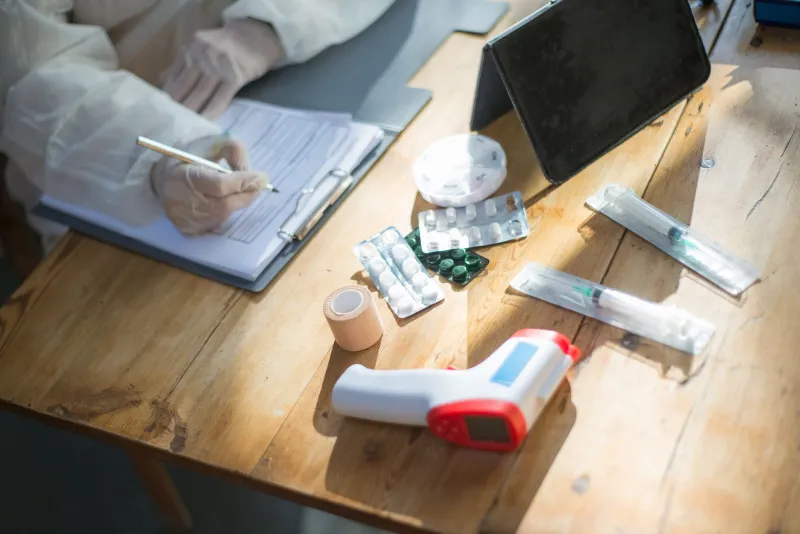
Photo by Photo by Vitaly Gariev on Unsplash on Unsplash
One of the most consequential realities of long-term prednisolone therapy is one that is easy to underestimate: the same anti-inflammatory action that quiets your autoimmune condition also mutes your immune system's ability to fight pathogens. This creates a situation in which the body's usual alarm system—redness, swelling, fever, pain—may be significantly dampened even when a serious infection is taking hold. For patients managing chronic inflammatory or autoimmune conditions across the United States, learning to read the subtler signals of infection is not merely useful. It may be life-saving.
At PrednisoloneTab, we believe that informed patients are safer patients. The following guide is designed to help you distinguish between symptoms that can be monitored at home, those that warrant a call to your doctor's office, and those that require immediate emergency care.
Why Prednisolone Changes Your Infection Risk
Prednisolone works by suppressing the activity of immune cells, particularly lymphocytes, neutrophils, and macrophages—the cellular soldiers responsible for identifying and eliminating bacteria, viruses, and fungi. At therapeutic doses used for chronic conditions, this suppression is intentional and beneficial for controlling inflammation. The trade-off is a reduced capacity to mount a rapid, forceful immune response against new threats.
What makes this especially tricky is that prednisolone also suppresses the production of prostaglandins and cytokines, the chemical messengers that generate the classic signs of infection. A patient with a healthy immune system and a brewing pneumonia will typically develop a significant fever, pronounced fatigue, and a productive cough relatively early in the illness. A patient on long-term prednisolone may have the same pneumonia and present with only mild discomfort and a low-grade temperature—or no fever at all.
This blunted presentation means that by the time symptoms feel serious enough to warrant a visit to urgent care, an infection may already be more advanced than it would appear.
A Symptom Checklist: What to Watch For
The following checklist is organized by urgency. Print it, save it to your phone, or keep a copy near your medication. Review it whenever you feel unwell.
Seek Emergency Care Immediately (Call 911 or Go to the ER)
- Temperature at or above 103°F (39.4°C), or any fever accompanied by confusion, stiff neck, or sensitivity to light
- Difficulty breathing, shortness of breath at rest, or a bluish tinge to the lips or fingertips
- Rapid heart rate combined with low blood pressure, dizziness, or fainting
- Sudden severe headache unlike any you have experienced before
- Signs of sepsis: extreme shivering, pale or mottled skin, feeling of impending doom, or a very rapid decline in overall status over hours
- Any wound, skin area, or surgical site that develops rapidly spreading redness, warmth, red streaking, or a foul-smelling discharge
Contact Your Doctor's Office the Same Day
- Any fever above 100.4°F (38°C), even if it seems mild, given that your inflammatory response may be suppressed
- New cough with colored (yellow, green, or brown) sputum lasting more than 24 hours
- Burning or pain with urination, increased urinary frequency, or cloudy urine
- Redness, swelling, or unusual warmth at any injection site, catheter site, or skin break
- Oral or esophageal thrush: white patches in the mouth, difficulty swallowing, or a burning sensation when eating
- Eye redness, discharge, or blurred vision that develops suddenly
- Any symptoms of shingles: a burning, tingling, or painful rash—even before blisters appear—particularly on the torso or face
Monitor Closely and Schedule a Routine Appointment Within a Few Days
- Mild cold symptoms (runny nose, mild sore throat) that persist beyond 7–10 days without improvement
- Fatigue that is markedly worse than your baseline without another obvious explanation
- Mild gastrointestinal symptoms—nausea, loose stools—lasting more than two to three days
- Unexplained skin changes: new rashes, bruising that seems disproportionate to any injury, or slow-healing minor cuts
Special Concerns for Immunosuppressed Patients
Opportunistic infections are pathogens that rarely cause serious illness in immunocompetent individuals but can be dangerous for patients on corticosteroids. Several deserve particular attention:
- Pneumocystis jirovecii pneumonia (PCP): A fungal lung infection that presents with a dry cough, low-grade fever, and progressive shortness of breath. Patients on higher doses of prednisolone for extended periods are sometimes prescribed prophylactic antibiotics specifically to prevent this.
- Fungal infections: Candida (yeast) infections of the mouth, throat, and skin folds are more common in immunosuppressed patients. Deeper fungal infections, though rarer, can be serious.
- Tuberculosis reactivation: If you have a history of TB exposure or a positive TB skin test, discuss this with your physician before beginning long-term corticosteroid therapy. Prednisolone can reactivate latent TB.
- Herpes zoster (shingles): Immunosuppression significantly increases the risk of shingles. The shingles vaccine (Shingrix) is recommended for most adults over 50 and should be discussed with your provider—ideally before starting corticosteroids, since live vaccines are generally avoided during immunosuppressive therapy.
How to Communicate Effectively With Your Healthcare Team
Many patients on long-term corticosteroids hesitate to contact their providers for symptoms that feel minor, concerned about appearing overly anxious. This hesitation is understandable but can be counterproductive given the altered immune landscape of prednisolone therapy.
When you call your physician's office or visit urgent care, lead with your medication context. A helpful opening statement might be: "I am currently taking [dose] mg of prednisolone daily for [condition], and I am calling because I want to flag some symptoms that may be infection-related." This framing immediately communicates your immunosuppressed status and typically prompts a more urgent clinical assessment.
Bring your symptom log if you have kept one—noting when symptoms began, how they have evolved, and any temperature readings you have taken at home. This information helps your provider distinguish a stable, watchful-waiting situation from one that warrants expedited testing or treatment.
Finally, do not assume that a negative rapid test—for influenza or COVID-19, for example—rules out a serious illness. False negatives occur, and your immune status may affect test sensitivity. If you feel significantly unwell, advocate for further evaluation.
Building a Safety Net Before You Need It
One of the most practical things a patient on long-term prednisolone can do is establish an infection response plan with their physician in advance—before any illness occurs. Ask your provider: What temperature should prompt me to call? Are there any infections I am specifically at higher risk for given my dose and condition? Should I have a course of antibiotics on hand for travel?
Having clear, pre-agreed thresholds removes the guesswork during an already stressful moment. At PrednisoloneTab, we encourage every patient receiving long-term corticosteroid therapy to view this kind of proactive planning as an essential component of responsible medication management—as important as the prescription itself.