Your Kitchen, Your Therapy: Everyday Foods That Work With or Against Prednisolone
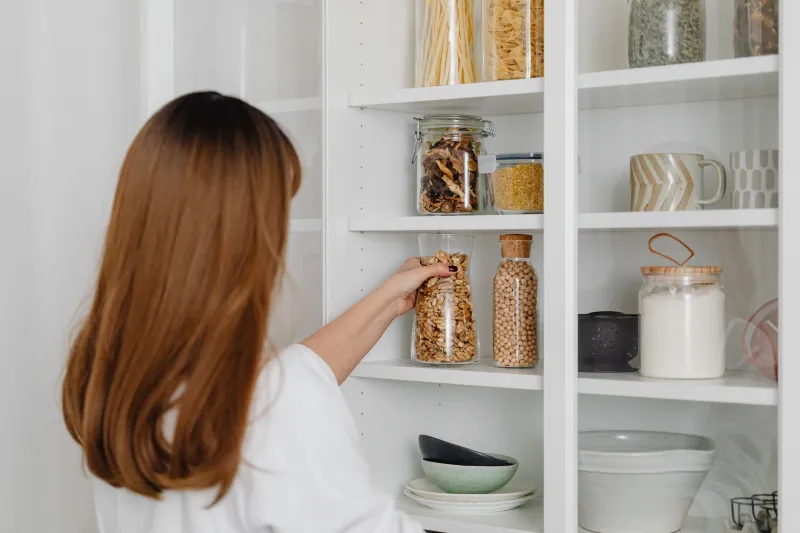
The Pantry Is Part of the Prescription
Ask any clinician who manages long-term corticosteroid patients and you will hear the same observation: medication does only half the work. The other half happens at the kitchen table. Prednisolone affects fluid balance, blood sugar, bone density, and appetite—four areas where ordinary grocery choices either compound the problem or soften it.
This isn't about perfection. It's about knowing which staples in your cabinet are working against your therapy and which ones deserve more shelf space.
Sodium: The Hidden Passenger in Packaged Foods
Corticosteroids cause the body to retain sodium and water, which contributes to elevated blood pressure, swelling, and that puffy facial appearance many patients find distressing. When prednisolone is already pushing sodium retention, a high-sodium diet stacks the deck.
The trouble is that most dietary sodium doesn't come from the salt shaker—it comes from processed food. Common American pantry offenders include:
- Canned soups and broths (often 600–900 mg per serving)
- Deli meats, bacon, and jerky
- Condiments: soy sauce, ketchup, salad dressings, teriyaki
- Boxed mac and cheese, rice and pasta sides, and instant noodles
- Bread and tortillas, which carry more sodium than most people realize
What to do: Read labels and aim for lower-sodium versions of your regular items. Rinse canned beans and vegetables, which can remove a meaningful share of the sodium. Season with citrus, vinegar, garlic, and herbs rather than salt blends. Small swaps matter more than a dramatic overhaul.
Sugar, Refined Carbs, and the Blood Sugar Rollercoaster
Prednisolone raises blood glucose, sometimes substantially, even in patients without diabetes. Pair that with a pantry built on sugary cereals, crackers, white bread, and sweets, and glucose swings become sharper and more frequent.
Then there is the appetite effect. Corticosteroids are well known for driving hunger and cravings—many patients describe wanting salty or sweet snacks in the evening, exactly when willpower tends to be lowest. Fighting biology with discipline alone rarely works; changing the environment works better.
Smart swaps for common cravings:
- Craving something sweet? Keep fruit, Greek yogurt with berries, or frozen grapes on hand instead of cookies and candy.
- Craving salty crunch? Try unsalted popcorn, roasted chickpeas, or nuts rather than chips and pretzels.
- Craving something creamy? Hummus, avocado, or nut butters deliver satisfaction with better nutritional return than packaged dips.
Pairing carbohydrates with protein or fat—an apple with peanut butter, whole-grain toast with eggs—flattens the glucose curve in a way that eating carbs alone does not.
Nutrients That Defend Bone and Muscle
Long-term corticosteroid use accelerates bone loss and can promote muscle wasting, particularly at higher doses. Your grocery cart is one of the few levers you control directly.
Calcium: Dairy remains the most practical American source—milk, yogurt, cheese—while fortified plant milks, tofu made with calcium sulfate, canned salmon with bones, and leafy greens serve those who avoid dairy.
Vitamin D: Fatty fish such as salmon and sardines, fortified milk and orange juice, and egg yolks all contribute. Many patients on long-term therapy also need a supplement; ask your physician what dose makes sense for you.
Protein: Adequate protein protects muscle mass. Rotate eggs, poultry, fish, beans, lentils, and Greek yogurt through the week rather than relying on a single source.
Potassium: Because corticosteroids can increase potassium excretion, bananas, potatoes, beans, and oranges are worth regular rotation—though patients on certain blood pressure medications should confirm intake targets with their doctor first.
Limit alcohol. It interferes with bone health and adds empty calories at a time when weight gain is already a risk.
A Practical Prednisolone-Friendly Shopping List
Build your next cart around these categories:
- Produce: leafy greens, berries, bananas, citrus, sweet potatoes, broccoli
- Protein: eggs, chicken, canned salmon and sardines, dried or low-sodium canned beans, plain Greek yogurt
- Grains: oats, brown rice, quinoa, whole-grain bread (check sodium), plain popcorn
- Dairy/alternatives: milk or fortified soy milk, hard cheeses, unsweetened yogurt
- Flavor without salt: lemon, garlic, olive oil, vinegar, salt-free herb blends, no-salt-added canned tomatoes
Eating Out Without Sabotaging the Plan
American restaurant portions are engineered for abundance, and fast food is a sodium delivery system. You don't need to opt out—just order differently.
- At fast-food chains, choose grilled over breaded and fried, skip the sauce packets, and watch the drink: water or unsweetened tea instead of large sodas.
- At casual dining spots, look for grilled proteins and vegetable sides, ask for dressings and sauces on the side, and plan to take half the entrée home.
- Breakfast menus are friendlier than they look: eggs, oatmeal, and fruit plates beat pancakes and pastries for glucose control.
- Chain restaurants post nutrition information online; a five-minute review before you go makes ordering far easier than deciding at the table.
The Takeaway
You don't have to redesign your entire diet to support your therapy. Focus on three levers—less hidden sodium, steadier blood sugar, and more bone-supporting nutrients—and let the rest follow. Your prescription does its part three times a day; your pantry does its work every time you open the door.