Protecting Your Skeleton: What Every American on Long-Term Prednisolone Needs to Know About Bone Health
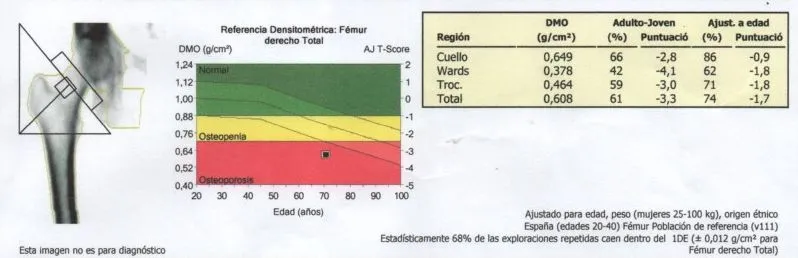
Photo: Jmarchn, CC BY-SA 3.0, via Wikimedia Commons
Prednisolone is, for millions of Americans, an indispensable medication. It controls the inflammation driving rheumatoid arthritis, manages lupus flares, keeps severe asthma at bay, and supports patients through the unpredictable course of conditions like Crohn's disease and polymyalgia rheumatica. For many patients, it is the medication that makes ordinary life possible.
But prednisolone's benefits come with a serious and frequently underestimated trade-off: its effect on bone. Corticosteroid-induced osteoporosis is the most common drug-related cause of secondary bone loss in the United States, and it is largely preventable when patients and their physicians take proactive steps from the earliest stages of treatment.
This guide is designed to give prednisolone patients a clear, practical framework for protecting skeletal health — not by discouraging necessary treatment, but by ensuring that bone health receives the same careful attention as the condition being treated.
How Prednisolone Affects Bone Density
Understanding the mechanism of bone loss helps patients appreciate why protective measures matter and why they need to begin early.
Bone is living tissue in a constant state of renewal. Specialized cells called osteoblasts build new bone, while osteoclasts break down old bone. In a healthy adult, these processes are roughly balanced. Prednisolone disrupts this equilibrium in several ways simultaneously.
First, it suppresses osteoblast activity, slowing the formation of new bone. Second, it extends the lifespan of osteoclasts, accelerating bone breakdown. Third, it reduces calcium absorption in the intestines and increases calcium excretion through the kidneys — a double depletion that leaves bones starved of the mineral they need most. Finally, in some patients, long-term corticosteroid use can suppress the production of sex hormones, which play a significant role in maintaining bone density in both men and women.
The clinical result: bone loss that is most rapid in the first three to six months of treatment and that disproportionately affects the spine and hip — precisely the areas where osteoporotic fractures are most debilitating. Studies suggest that patients on long-term corticosteroids have a fracture risk two to five times higher than the general population, even at bone density levels that would not otherwise trigger clinical concern.
When Should Bone Density Screening Begin?
Current guidelines from the American College of Rheumatology (ACR) recommend that any patient expected to take 2.5 mg or more of prednisolone daily for three months or longer should be evaluated for fracture risk and considered for baseline bone density testing.
For most patients beginning or already on long-term prednisolone therapy, this means:
- Baseline DEXA scan at the start of long-term therapy or as soon as possible if therapy is already underway
- Follow-up scans at one to two year intervals, depending on baseline results, ongoing dose, and individual risk factors
- Earlier or more frequent screening for postmenopausal women, men over 50, patients with a personal or family history of fracture, low body weight, or concurrent risk factors such as smoking or alcohol use
If you have been on prednisolone for several months and have not yet had a bone density scan, this is a conversation worth initiating with your prescribing physician at your next appointment. Baseline data is essential — without it, it is impossible to track whether protective measures are working.
The Role of Calcium and Vitamin D
For patients on prednisolone, calcium and vitamin D are not optional supplements. They are a foundational component of bone protection that should begin at the same time as corticosteroid therapy.
Calcium: The ACR recommends a total daily calcium intake of 1,000 to 1,200 mg for adults on corticosteroids. This includes calcium from dietary sources — dairy products, fortified plant milks, leafy greens, canned fish with bones — as well as supplemental calcium if dietary intake falls short. Many Americans do not meet calcium requirements through diet alone, making supplementation frequently necessary.
When supplementing, calcium carbonate is best absorbed with food, while calcium citrate can be taken with or without meals and is often better tolerated by patients with digestive conditions — a relevant consideration for those managing inflammatory bowel disease alongside their corticosteroid therapy.
Vitamin D: Prednisolone impairs vitamin D metabolism, making adequate intake especially important. The ACR recommends 600 to 800 IU of vitamin D daily at minimum, though many physicians managing corticosteroid patients aim for serum 25-hydroxyvitamin D levels above 30 ng/mL and may recommend higher supplemental doses — often 1,000 to 2,000 IU or more — to achieve this. Blood testing can confirm whether your current intake is sufficient.
Exercise: The Underutilized Bone Protector
Physical activity is one of the most powerful tools available for preserving bone density, yet it is frequently overlooked in conversations about corticosteroid management. Mechanical loading — the stress placed on bone during weight-bearing and resistance activities — stimulates osteoblast activity and helps counteract the bone-building suppression caused by prednisolone.
For prednisolone patients, the following types of exercise offer the greatest bone benefit:
Weight-bearing aerobic activity: Walking, hiking, dancing, and low-impact aerobics all load the skeleton in ways that promote bone maintenance. Aim for at least 30 minutes most days of the week. Patients with significant joint involvement should work with a physical therapist to identify activities that protect affected joints while still providing skeletal loading.
Resistance training: Strength training using free weights, resistance bands, or weight machines is particularly effective at building and preserving bone density in the spine and hips. Two to three sessions per week, targeting major muscle groups, is a reasonable and evidence-supported target.
Balance training: Falls are the proximate cause of most osteoporotic fractures. Activities that improve balance — yoga, tai chi, single-leg standing exercises — reduce fall risk and are especially valuable for older patients or those experiencing prednisolone-related muscle weakness.
Before beginning a new exercise program, particularly if you have existing joint disease or significant bone loss, consult your physician or a physical therapist for personalized guidance.
When to Discuss Preventive Medications
For patients at moderate to high fracture risk — including most adults expected to take 7.5 mg or more of prednisolone daily for three months or longer — the ACR recommends considering pharmacologic bone protection in addition to calcium and vitamin D.
Bisphosphonates (alendronate, risedronate, and zoledronic acid) are the most commonly prescribed agents for this purpose. They work by inhibiting osteoclast activity, slowing bone breakdown and allowing the balance to shift toward preservation. Oral bisphosphonates are typically taken weekly, while intravenous zoledronic acid is administered annually — an option that may be preferable for patients with gastrointestinal conditions or adherence challenges.
Bisphosphonates are generally well-tolerated, though they are not appropriate for all patients. Individuals with kidney impairment, women of childbearing potential, and patients with certain dental or jaw conditions may require alternative approaches. Your physician can assess your individual risk profile and recommend the most appropriate strategy.
Other agents, including denosumab and teriparatide, may be considered for patients who cannot tolerate bisphosphonates or who have severe bone loss despite first-line treatment.
Making Bone Health a Routine Part of Your Care
One of the most important things patients can do is ensure that bone health is a standing agenda item in their corticosteroid management conversations — not an afterthought raised only after a fracture occurs.
At each visit with your prescribing physician, consider asking:
- Is my current calcium and vitamin D intake sufficient based on my blood levels?
- When is my next DEXA scan due?
- Has my fracture risk changed since my last assessment?
- Should I be considering a bisphosphonate or another bone-protective medication?
At PrednisoloneTab, we recognize that managing a chronic inflammatory condition while protecting long-term health requires attention on multiple fronts simultaneously. Prednisolone remains a vital and effective medication for countless Americans — and with the right preventive framework in place, its benefits need not come at the cost of your skeletal integrity.
Your bones support everything you do. Protecting them is not a secondary concern. It is a core part of living well on long-term corticosteroid therapy.